


Expert garden paving services in London
- All-in-one paving service: from levelling to pointing
- Skilled, insured and equipped landscapers
- Wide choice of materials & delivery, upon request
- Quote after a professional survey & consultation


What the patio laying and driveway installation process involves


We will send a surveyor to your property, whom you can discuss your project details and consult with. After that, you’ll receive a no-obligation quote with the price of your enquiry. The paving projects that we do include the following steps:
- Ground clearance - The specialists will remove all debris, old pavers or slabs and vegetation after they’ve marked the designated area. If any soil excavation work is needed, it will take place during this stage.
- Site preparation - The site will be prepared using professional levelling techniques. The base can be laid only if the soil is firm and compact.
- Membrane installation - A weed control membrane is then laid to prevent weeds from coming through in between the slabs.
- Subbase installation - A layer of MOT-base is laid on top of the fabric and compacted to ensure that the surface is absolutely even.
- Paving - The paving experts will neatly lay the slabs on the completely levelled sub-base. After the necessary drying time has passed, the landscapers will wash the paved area and prepare it for pointing. Once, this job is done, you can enjoy your new patio or driveway.
Paving repair and maintenance tasks we can help you with
Like any other area in your garden, your existing or newly installed hard surface will require maintenance over time. Check out the following paving repairs and maintenance services we can assist you with:
- We do regrouting and repointing of old pavings;
- The landscaping experts can help you to complete a range of garden path, patio or driveway repairs, such as repaving damaged areas, replacing broken or loose paving slabs or block pavers, etc.;
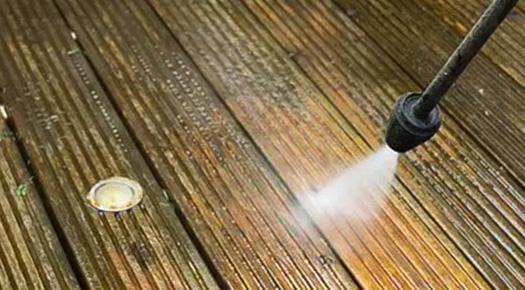
- Pressure washing services and weed control. This helps eliminate unwanted vegetation, moss, mould and dirt accumulation from your patio or driveway.
Paving services are suitable for any kind of property and can improve the curb appeal of your home, just like resin bound surfacing can. Don’t forget that you can benefit from special deals on all our services for a year as well as other perks by joining our Fantastic Club.

Garden paving specialists near you:
Number of bookings: 2215
With Fantastic Services for: 5 years
Other specialities:
Number of bookings: 136
With Fantastic Services for: 3 months
Other specialities:
Number of bookings: 870
With Fantastic Services for: 2 years
Other specialities:
Frequently asked questions
Q: What type of paving materials do you use?
Q: What is the best stone for paving?
Q: What is the most durable stone for a patio?
Q: What type of paving is best for a driveway?
Q: What is the best thickness for paving slabs?
Q: What is best to put under paving stones?
Q: Do I have to apply for planning permission prior to the paving service?
Q: What is the cheapest type of paving?
Q: What is the most expensive paver?
Q: Are interlocking pavers better than regular pavers?
Q: What is the difference between pavers and patio stones?
Q: What lasts longer, tarmac or block paving?
Q: How do I choose paving stones?
Q: How do you get rid of weeds between pavers?
Q: What are your maintenance tips for my newly installed paved surface?
Q: What other services do you offer outdoors?
Local areas Fantastic Gardeners cover
- ✓ Barking and Dagenham
- ✓ Barnet
- ✓ Bexley
- ✓ Brent
- ✓ Bromley
- ✓ Camden
- ✓ City of London
- ✓ Croydon
- ✓ Ealing
- ✓ Enfield
- ✓ Greenwich
- ✓ Hackney
- ✓ Hammersmith and Fulham
- ✓ Haringey
- ✓ Harrow
- ✓ Havering
- ✓ Hillingdon
- ✓ Hounslow
- ✓ Islington
- ✓ Kensington and Chelsea
- ✓ Kingston upon Thames
- ✓ Lambeth
- ✓ Lewisham
- ✓ Merton
- ✓ Newham
- ✓ Redbridge
- ✓ Richmond upon Thames
- ✓ Southwark
- ✓ Sutton
- ✓ Tower Hamlets
- ✓ Waltham Forest
- ✓ Wandsworth
- ✓ Westminster

Have a specific gardening or plant-related question?
If so, click on “Ask now”, submit your question, attach the appropriate images and press send. Your question will be forwarded to one of our Fantastic Gardeners who will get back to you with an answer ASAP.
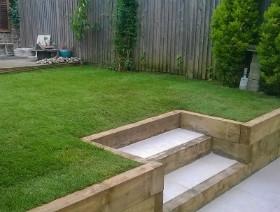
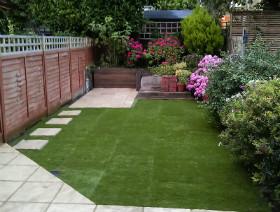
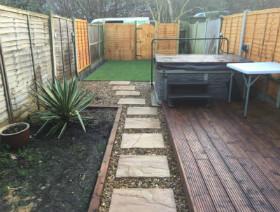
Projects with paving we've done
Some thoughts from our clients
Read more about landscaping
Read our advice on paving and landscaping
We can do much more than just paving
Ready to book now?


Part of

